

Shampoo Production Line
The Shampoo Production Line is a complete production system for liquid personal care products such as shampoos, conditioners, and body washes. It covers all the processes from water treatment, raw material measurement, mixing and emulsification, homogenization and blending, to filling and sealing, labeling and coding, packaging and stacking. It can be adapted to different production requirements ranging from small and medium batch to large-scale industrial production. We do not engage in the business of "selling a piece of equipment and being done with it". Instead, based on the customer's production capacity target, formula characteristics, packaging form, and factory conditions, we provide the entire factory delivery including process design, equipment manufacturing, installation and commissioning, personnel training, and long-term after-sales service. What the customer gets is not a bunch of machines, but a production line that can consistently produce qualified products and grow with the business.
Send Inquiry
Product Description
What you truly purchase is the ability to "continuously produce good products".
Shampoo and ordinary liquids are different. They have viscosity, active ingredients, powder that needs to be evenly dispersed, and functional additives that are sensitive to temperature and shear. If the mixing is too much, the paste may become thinner and stratify; if the mixing is insufficient, the powder may clog and the active ingredients may be unevenly distributed; if the vacuum degassing is not done well, the bottles will be filled with bubbles after filling; if the cooling rate is not controlled properly, there will be significant fluctuations in consistency between batches. These problems cannot be seen from the equipment samples alone; they only become apparent when the entire line is linked and continuously produced.
Therefore, the starting point of making the Shampoo Production Line is not to stack the equipment together, but to design the entire line around "whether your formula can be stably replicated". Our engineering team will spend a lot of time in the early stage of the project understanding what products you want to make, what raw materials you use, what consistency is the target, and what packaging form it is. Then, they will determine the mixing form of the emulsification pot, the power of the homogenizer head, the configuration of the vacuum system, and the diameter and measurement method of the filling valve. Equipment is a means, but stable product output is the goal.
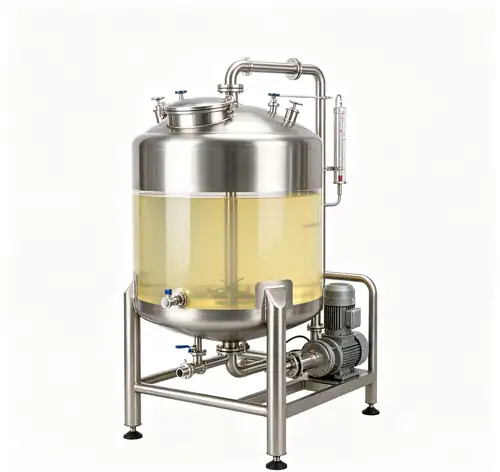
Emulsification and Mixing: The Heart of the Entire Line
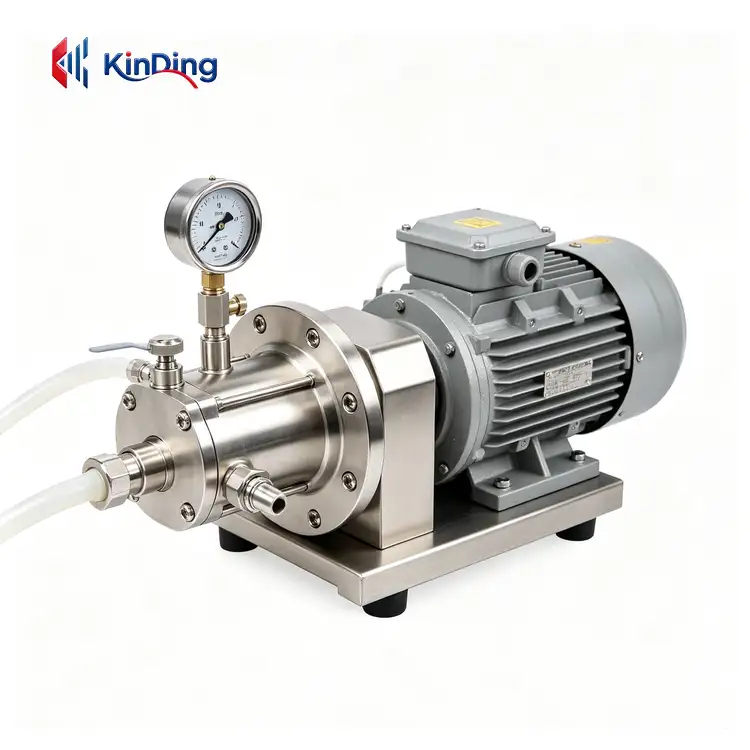
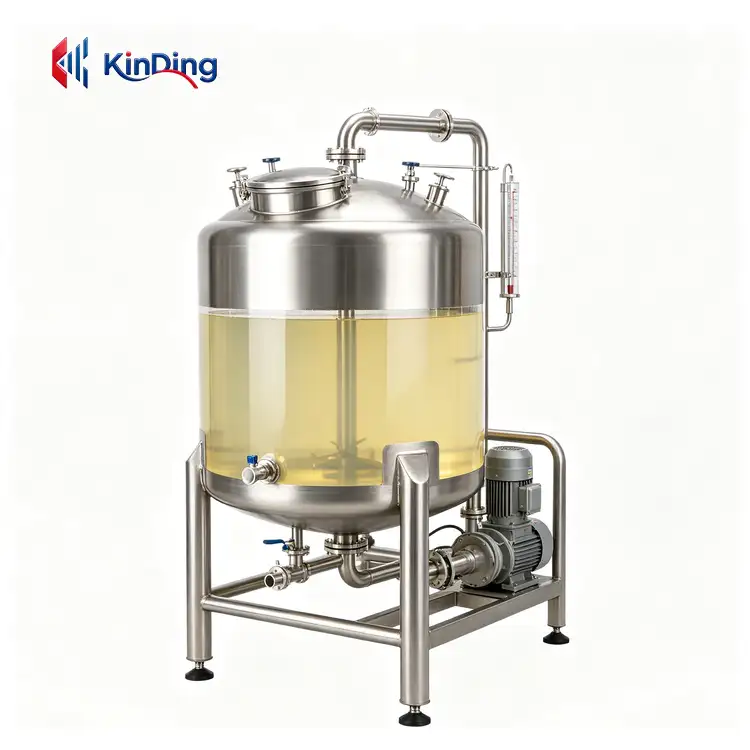
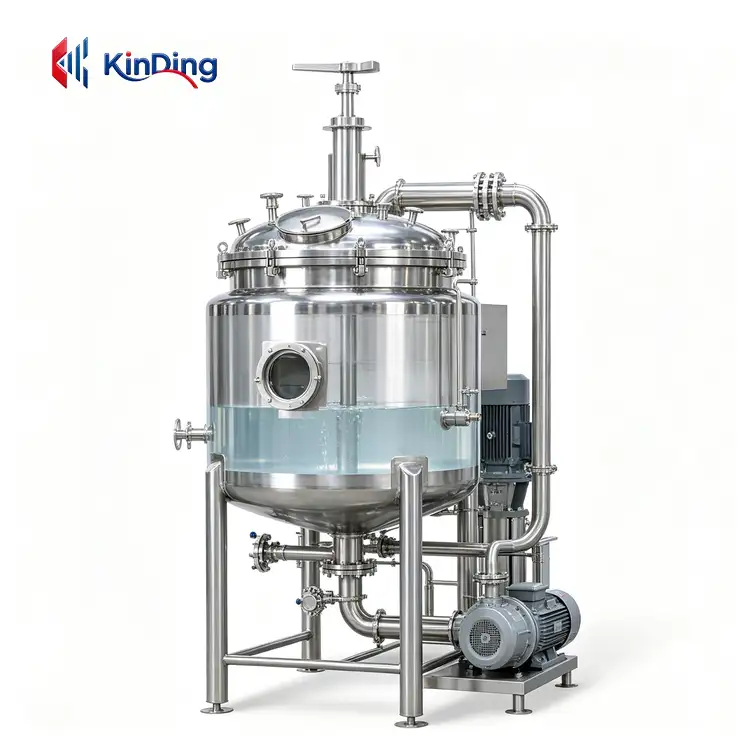
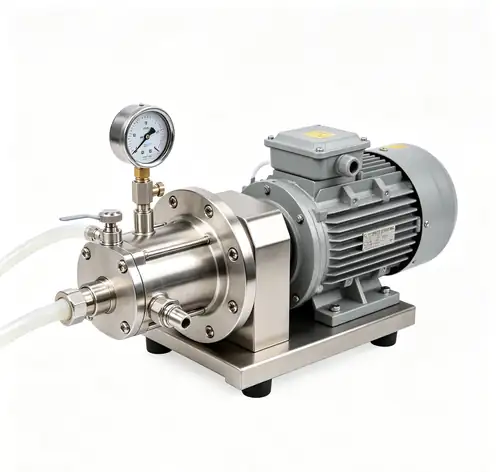
If you ask which part of a shampoo production line has the greatest impact on product quality, the answer is usually the emulsification and mixing system. We use 316L stainless steel main emulsification pot, water phase pot, and oil phase pot, equipped with scraper wall mixing, high-speed homogenizer head, and vacuum degassing function. The scraper wall mixing ensures that the material does not stick to the wall or clog, the homogenizer head is responsible for breaking the oil and water phases into a uniform and fine emulsion, and the vacuum system removes the bubbles during the mixing process, making the final paste dense, smooth, and without bubbles after filling.
One issue that many customers are concerned about here is: Is it better to have a single pot batch mode or a continuous mode? Our advice has never been "which is more advanced", but "which is more suitable for you". The single pot batch mode has high flexibility and is suitable for customers with diverse formula types and batch variations; the continuous mode is more efficient and is suitable for customers with large single-product output and stable formulas. We will recommend based on your product structure and order pattern, rather than pushing a certain solution.
Filling and Post-Processing: Turning Good Products into Good Goods
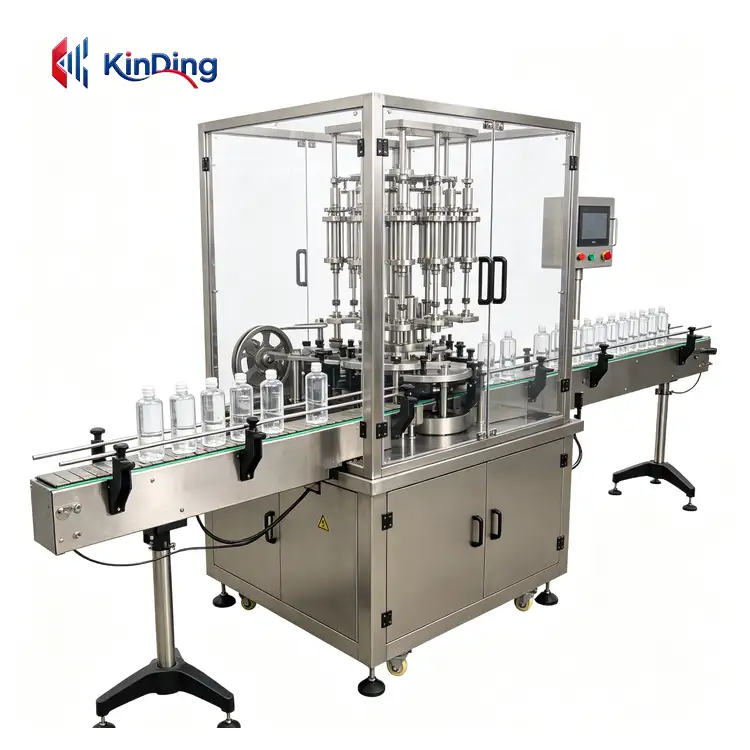
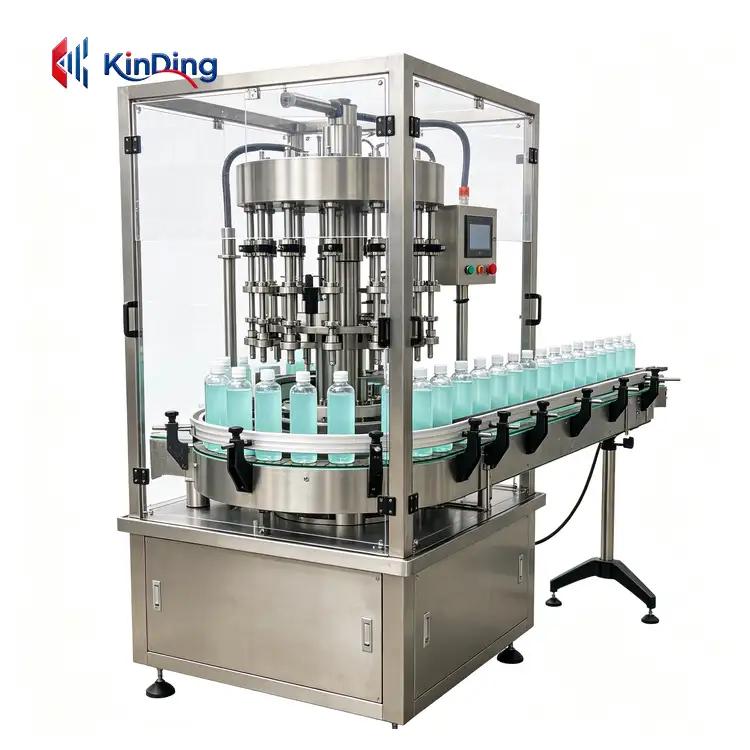
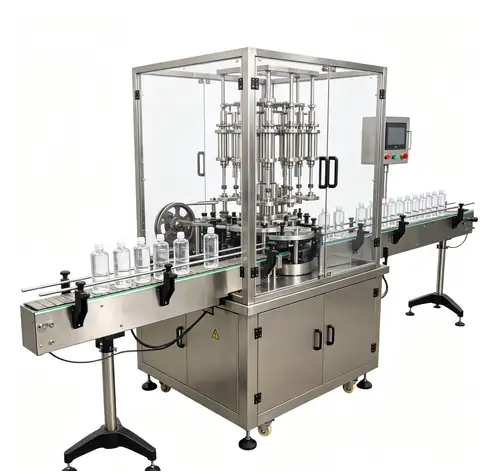
Making a good paste is only half the success. We provide three mainstream filling methods: piston filling, flow meter filling, and weighing filling, based on the product viscosity and bottle type specifications. Low-viscosity products are more stable with flow meter; high-viscosity products are more accurate with piston or weighing filling. The sealing method can be matched with screw caps, push caps, or pump head insertion, ensuring sealing and avoiding leakage during transportation.
After filling, it is labeling, coding, box packaging, heat shrink, packing, and stacking. We integrate fully automatic labeling machines, inkjet printers or laser coding machines to achieve automatic labeling of labels, production dates, batch numbers and traceability information, which complies with cosmetic regulations. For customers who wish to reduce manual labor, we can also configure automatic box-filling machines, heat shrink film packaging machines and robot palletizing systems, minimizing human involvement throughout the process from filling to product storage.
After delivery, we also provide
equipment delivery, installation, commissioning, trial production, and acceptance. These are just the beginning of the cooperation. We dispatch engineers to the customer's site to complete installation and commissioning, and provide systematic training to the customer's operation team and maintenance team, covering equipment operation, daily maintenance, fault detection and safety regulations. The goal of the training is not "knowing how to press buttons", but enabling the customer team to make judgments and handle problems independently, without relying on remote guidance from the manufacturer, and still maintaining production.
After-sales
We offer warranty, remote technical support, regular visits and spare parts supply. For overseas customers, we minimize response time through local service networks or video guidance. We are well aware that a production line being down for one day means not only a loss of output but also a loss of order reputation. Therefore, our after-sales logic is: if it can be resolved remotely, we will not delay it to the site; if it can be replied to on the same day, we will not delay it to the next day.
What else can this line do
Although it is called "Shampoo Production Line", its application scope is far beyond shampoo. Hair conditioner, hair mask, body wash, hand sanitizer, facial cleanser, makeup remover, laundry detergent, dishwashing liquid, and other liquid and emulsion type daily care products can all be produced on the same line, only by changing the formula and some filling accessories. For customers with a rich product line, this means one line can cover multiple categories, reducing the need for repeated equipment investment.
In terms of production capacity, we can configure from small-batch flexible production of several hundred bottles per hour to large-scale continuous production of tens of thousands of bottles per hour according to the actual needs of the customer. The bottle size ranges from 50ml samples to 5L large barrels, and the filling method is adjusted accordingly. The equipment contact material parts all use food-grade or cosmetic-grade stainless steel, meeting international standards such as GMP and CE, helping customers pass various audits and certifications.
Why choose us?
The value of the Shampoo Production Line lies not in the length of the equipment list, but in our willingness to start from your products and integrate water treatment, emulsification, filling, control, training and after-sales into a truly usable production system. Welcome to contact us, tell us your product goals and plant conditions, and we will provide you with a solution that can be implemented, operated, and accompany you for a long time.
Related Category
Stainless Steel Tank
Sanitary Pump
Mixing and Emulsification
Colloid Mill
Fruit and Vegetable Machine
Sanitary Manhole
Sanitary Valve
Sanitary Pipe Fittings
Filling Machines
Packaging Machines
Production Line Solutions
Send Inquiry
Please Feel free to give your inquiry in the form below. We will reply you in 24 hours.