

Sanitary Valve
The Ultimate Guide to Sanitary Valves for Hygienic Processing
In industries where product purity, process integrity, and ease of cleaning are non-negotiable, the choice of fluid handling components is critical. At the heart of many hygienic and aseptic systems lies the Sanitary Valve. These are not ordinary valves; they are precision-engineered components designed to meet the stringent standards of industries like food & beverage, dairy, pharmaceuticals, biotechnology, and cosmetics. A sanitary valve ensures seamless flow control while preventing contamination, facilitating thorough cleaning-in-place (CIP) or sterilization-in-place (SIP), and maintaining the highest levels of product safety. This guide delves into the technical specifics, types, and selection criteria for sanitary valves, showcasing why Kinding is a trusted name for reliability and performance in this specialized field.
Detailed Parameter Table by Valve Type
| Valve Type | Primary Function | Key Features (Kinding Design) | Typical Applications | Standard Size Range |
|---|---|---|---|---|
| Butterfly Valve | On/Off & Regulation | Zero dead space, PTFE or encapsulated seals, CIP/SIP capable, wafer or lug body style. | Liquid transfer lines, tank outlets, CIP return. | DN25 to DN150 (1" to 6") |
| Ball Valve | Positive Shut-Off | Full bore design, multi-port configurations (2-way, 3-way), blow-out proof stem, micro-polished ball. | Ingredient addition, sampling points, divert flow. | DN15 to DN100 (1/2" to 4") |
| Diaphragm Valve | Sterile Isolating | Body cavity isolated by diaphragm, perfect for sterile processes, easy maintenance. | Pharmaceutical pure steam, WFI (Water for Injection), aseptic filling. | DN15 to DN100 (1/2" to 4") |
| Check Valve | Prevent Backflow | Spring-assisted closure, low cracking pressure, tilting disc or ball design. | Pump protection, preventing product mixing in common lines. | DN15 to DN100 (1/2" to 4") |
| Mixproof Valve | Cross-Contamination Prevention | Two independent seal systems with a leak detection cavity, allows two products in one valve safely. | Multi-product pipelines in dairies or beverage plants. | DN25 to DN125 (1" to 5") |
| Pressure Relief Valve | System Protection | Hygienic spring-loaded design, adjustable set pressure, protects tanks and lines from over-pressure. | Tank safety, pipeline over-pressure protection. | DN25 to DN80 (1" to 3") |
Seal Material Selection Guide
| Seal Material | Temperature Range | Chemical Resistance | Typical Applications | Compliance |
|---|---|---|---|---|
| EPDM | -20°C to +140°C | Excellent for hot water, acids, alkalis, steam. Not for fats/oils. | CIP/SIP, hot water, dilute acids, beer, dairy. | FDA, 3-A, EC 1935/2004 |
| Silicone | -50°C to +180°C | Good for high temps, oils, weak acids. Poor for strong alkalis. | High temperature processes, fat/oil lines, pharmaceutical. | FDA, USP Class VI |
| PTFE (Teflon) | -200°C to +260°C | Inert to almost all chemicals, excellent non-stick properties. | Aggressive chemicals, sticky products, ultra-pure applications. | FDA, USP Class VI |
| FKM (Viton) | -20°C to +200°C | Excellent for oils, fuels, aromatics, acids. Not for steam. | Essential oils, solvents, certain chemical processing. | FDA (specific grades) |
Sanitary Valve FAQs: Expert Answers from Kinding
Selection & Application
Q: How do I choose between a sanitary ball valve and a sanitary butterfly valve?
A: The choice depends on function, line size, and cost. Ball valves offer excellent, bubble-tight shut-off and are ideal for smaller lines (typically under 4") where positive isolation is key, such as at sampling points or for diverting flow. Butterfly valves are more economical for larger lines (2" and above), provide good regulating capabilities, and have a more compact profile. For simple on/off in larger transfer lines, a butterfly valve is often sufficient. For critical shut-off or multi-port configurations in smaller lines, a ball valve is preferable.
Q: What is the meaning of "CIP/SIP capable" for a sanitary valve?
A: CIP (Clean-in-Place) and SIP (Sterilize-in-Place) are automated cleaning and sterilization processes without disassembling equipment. A "CIP/SIP capable" valve from Kinding is designed to withstand the thermal and chemical stresses of these processes. This includes compatibility of seal materials with hot caustic and acid cleaners (CIP) and saturated steam or superheated water at high temperatures (typically 121°C to 140°C for SIP). The valve design must allow cleaning solutions to fully contact all wetted surfaces and drain completely.
Q: When is a mixproof valve necessary?
A: A mixproof valve is essential when two different fluids must be handled in the same pipeline system with an absolute guarantee against cross-contamination. It features two independent sealing seats with a leak detection chamber between them. If one seal fails, the product leaks into the detection chamber and triggers an alarm, preventing it from crossing to the other side. This is critical in dairies producing different milk types, beverage plants running multiple products, or any facility where cleaning between products is time-consuming or risky.
Technical & Compliance
Q: What does a "Ra 0.5 µm" surface finish mean, and why is it important?
A: "Ra" stands for "Roughness average," a measure of surface texture in micrometers (µm). An Ra of 0.5 µm indicates an extremely smooth surface. In sanitary processing, a smoother surface finish (lower Ra value) provides fewer microscopic pits and grooves where bacteria can hide and proliferate. It also makes surfaces easier to clean and drain, reducing biofilm risk. For ultra-hygienic or aseptic applications, an Ra of ≤0.8 µm is standard, with 0.5 µm or even 0.4 µm (Electropolished) used for critical zones like pharmaceutical filling.
Q: What is the difference between 3-A and EHEDG certifications?
A: Both set hygienic design standards but have different origins and focuses. 3-A Sanitary Standards, Inc. is a US-based organization whose standards are widely recognized, especially in the food and dairy industries. Compliance is often verified through third-party authorizations. EHEDG (European Hygienic Engineering & Design Group) provides European guidelines and offers equipment type testing and certification to prove compliance with hygienic design principles. Many global manufacturers, including Kinding, design products to meet the criteria of both organizations to ensure worldwide market acceptance.
Q: How do I specify a sanitary valve for a high-purity water system like WFI?
A: Valves for Water for Injection (WFI) or other high-purity water systems require exceptional design to prevent microbial growth and particle shedding. Key specifications include: a diaphragm or special sterile ball valve design that eliminates cavities; ultra-smooth Electropolished finish (Ra ≤0.5 µm); completely drainable orientation; use of high-purity seal materials like PTFE or specially certified EPDM; and validation support documentation (DQ/IQ/OQ). Valves should be designed for SIP with continuous steam tracing capability. Kinding offers a dedicated range of valves engineered specifically for such critical pharmaceutical and biotech applications.
Why Partner with Kinding for Your Sanitary Valve Needs?
Selecting the right sanitary valve is a technical decision that impacts your plant's efficiency, product quality, and safety compliance. Kinding combines decades of engineering expertise with a deep understanding of hygienic process requirements. Our valves are not just components; they are solutions built for longevity, ease of maintenance, and peace of mind. From standard butterfly and ball valves to complex mixproof and aseptic diaphragm valves, the Kinding portfolio is designed to meet the diverse challenges of modern hygienic processing. We support you with detailed technical data, material certifications, and application expertise to ensure your system performs flawlessly.
- View as
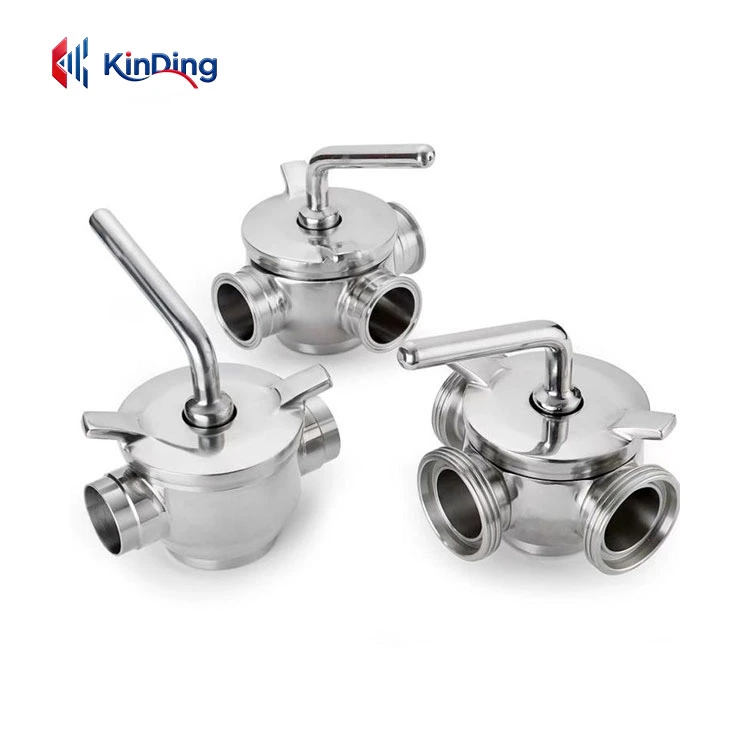
Sanitary Cock Plug Valve
In industries such as food, pharmaceuticals, biotechnology and fine chemicals, which have extremely high requirements for cleanliness, the selection of fluid control valves directly affects product quality and production safety. As a type of valve with a compact structure, reliable sealing and easy cleaning, the sanitary cock plug valve is increasingly favored by high-end manufacturing enterprises. The production team of Wenzhou Kinding Machinery will strictly follow the requirements of the ISO 9001 quality management system to produce each sanitary cock plug valve.
Read MoreSend Inquiry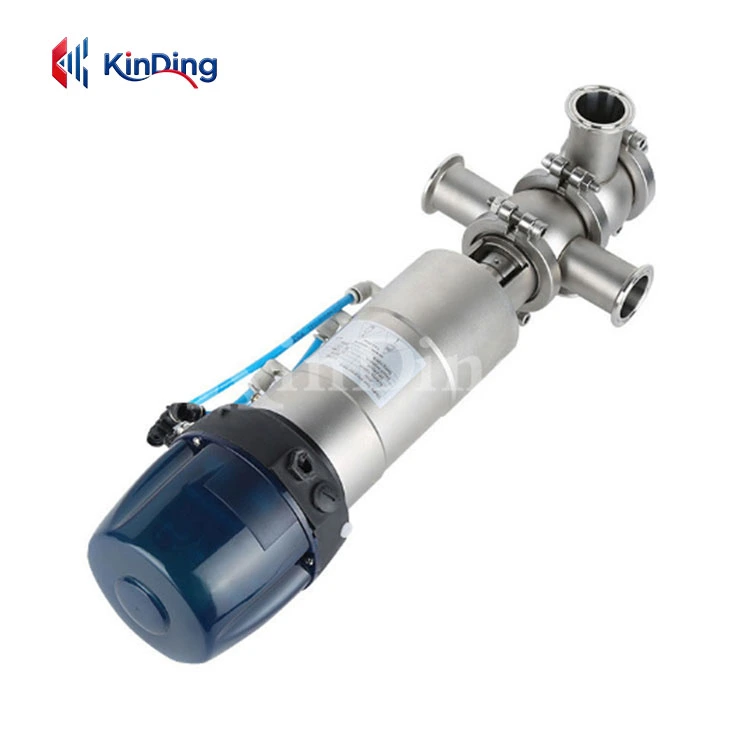
Sanitary Anti-Mixing Valve
In the production processes of industries such as food, dairy products, beverages, biopharmaceuticals and fine chemicals, cross-contamination of different media is one of the most critical risks to be guarded against in quality control. In a single pipeline, various media such as raw materials, semi-finished products, cleaning solutions, steam, etc. may be transported simultaneously. How to achieve independent transportation of multiple media in a limited space and ensure that they do not interfere with each other? The answer is the sanitary anti-mixing valve - Sanitary Anti-Mixing Valve.
Read MoreSend Inquiry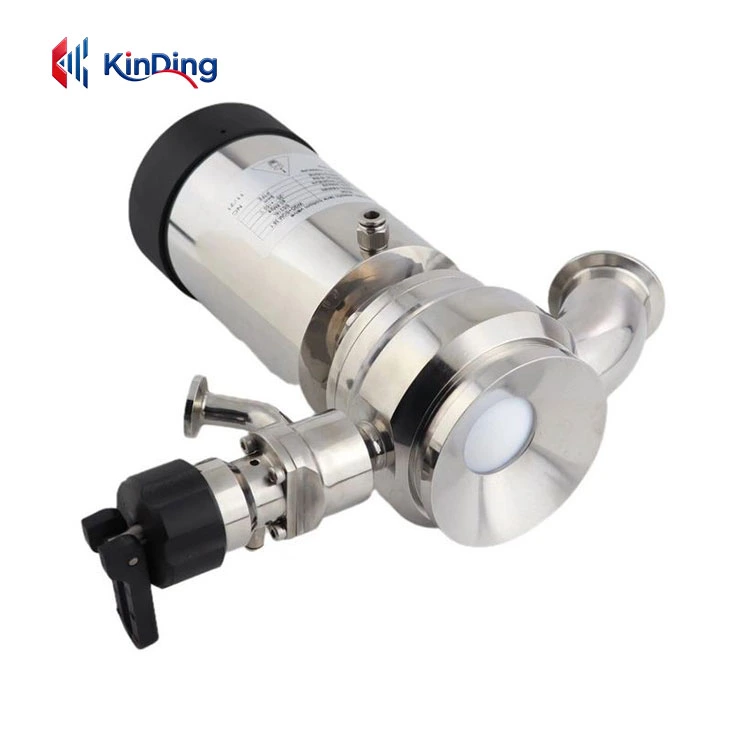
Sanitary Tank Bottom Valve
In the production processes of industries such as biopharmaceuticals, food and beverage, and fine chemicals, storage tanks, reaction vessels, and fermentation tanks are core equipment. How to efficiently, thoroughly, and without pollution discharge the materials inside the tanks is the key to ensuring product yield, batch purity, and production efficiency. When traditional valves are installed at the bottom of the tanks, due to structural reasons, residual dead corners are prone to form, which not only causes material waste but may also become a breeding ground for microorganisms, posing great challenges to cleaning and sterilization.
Read MoreSend Inquiry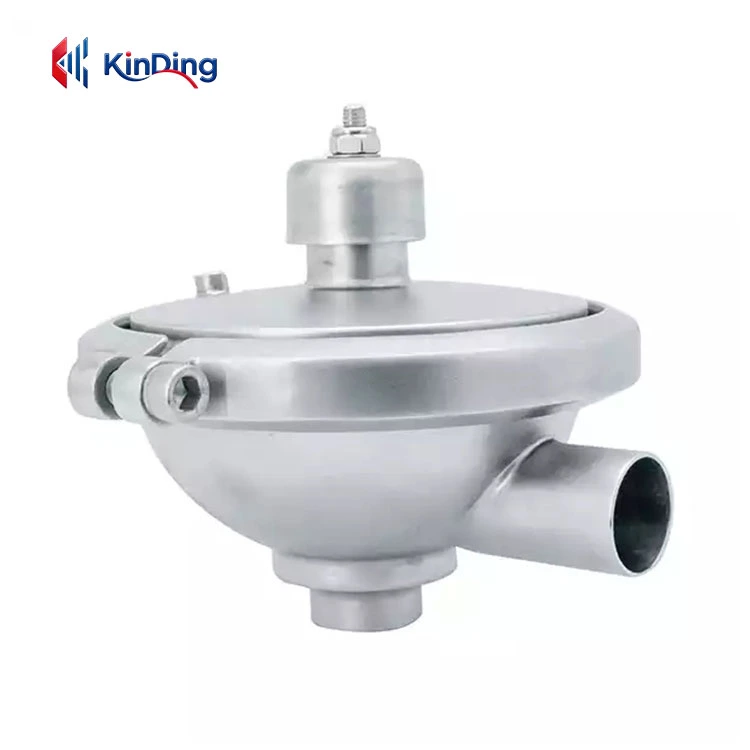
Constant Pressure Valve
In fluid processing systems, the stability of pressure directly affects process consistency, product quality, and equipment safety. Wenzhou Kinding Machinery Co., Ltd. has developed the Sanitary Constant Pressure Valve, which is specifically designed for sanitary pipelines requiring constant outlet pressure or backpressure control. It is widely used in key positions such as membrane filtration systems, filling machine feed loops, and fermentation tank pressure control. Kinding, with a profound understanding of fluid dynamics, has created the Sanitary Constant Pressure Valve that combines high precision and high cleanliness, helping customers achieve stable process control.
Read MoreSend Inquiry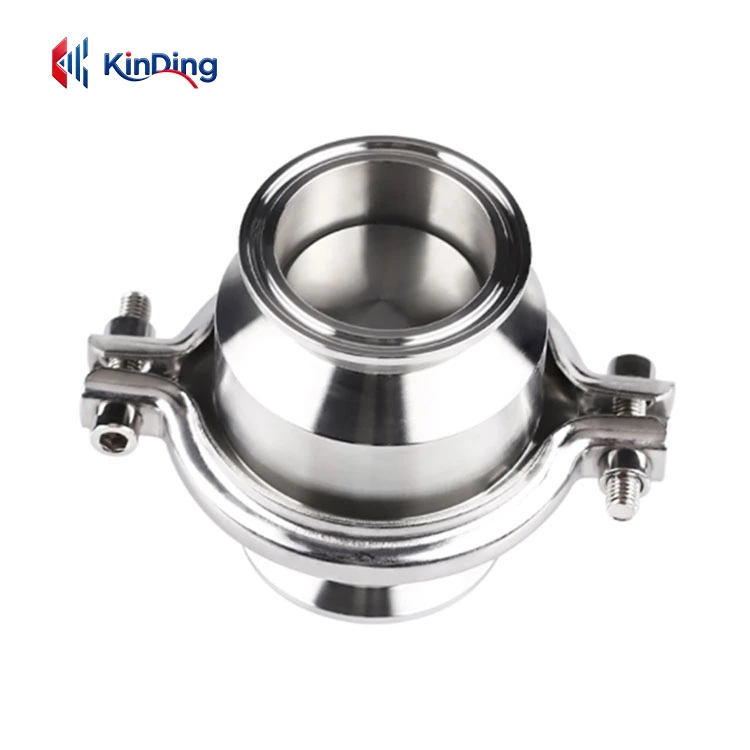
Sanitary Check Valve
In sanitary fluid transportation systems, backflow of the medium not only affects process stability but also may lead to cross-contamination and equipment damage. The Sanitary Check Valve produced by Wenzhou Kinding Machinery Co., Ltd., as a one-way protection device in the pipeline system, with its reliable sealing performance and clean design, provides a solid anti-backflow guarantee for industries such as food, pharmaceuticals, and chemicals.
Read MoreSend Inquiry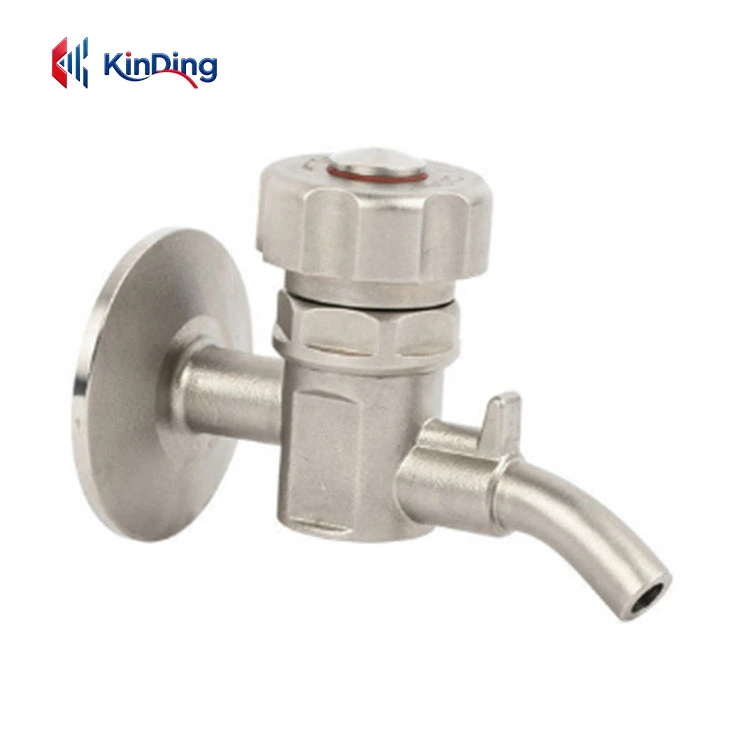
Sanitary Sampling Valve
On the production lines of pharmaceuticals, biological products, high-end foods and dairy products, quality is not determined at the final stage, but is "managed" at every production step. Among them, quickly and safely sampling and analyzing the materials inside the tanks is crucial for real-time quality monitoring and ensuring the stability of the process. Wenzhou Kinding Machinery Co., Ltd. has developed a sanitary sampling valve. This enables you to obtain the most authentic and representative samples without interrupting the production or damaging the system's airtightness, providing a solid foundation for precise quality control. At the same time, the production team of Kinding Machinery will strictly follow the requirements of the ISO 9001 quality management system to produce each unit.
Read MoreSend Inquiry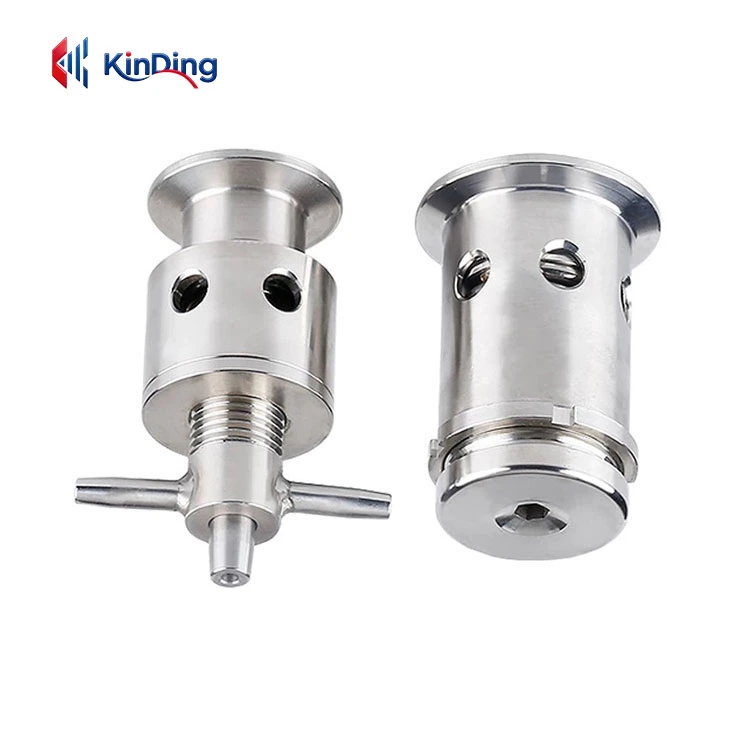
Sanitary Divert Valve
In the food, pharmaceutical, biotechnology, fermentation and fine chemical industries, sealed containers such as storage tanks, fermentation tanks and mixing tanks will generate pressure differences during operation due to changes in liquid level, temperature fluctuations or material transfer. If the pressure cannot be balanced in time, it may cause deformation of the tank body, equipment damage, or even lead to safety accidents or product contamination.
Read MoreSend Inquiry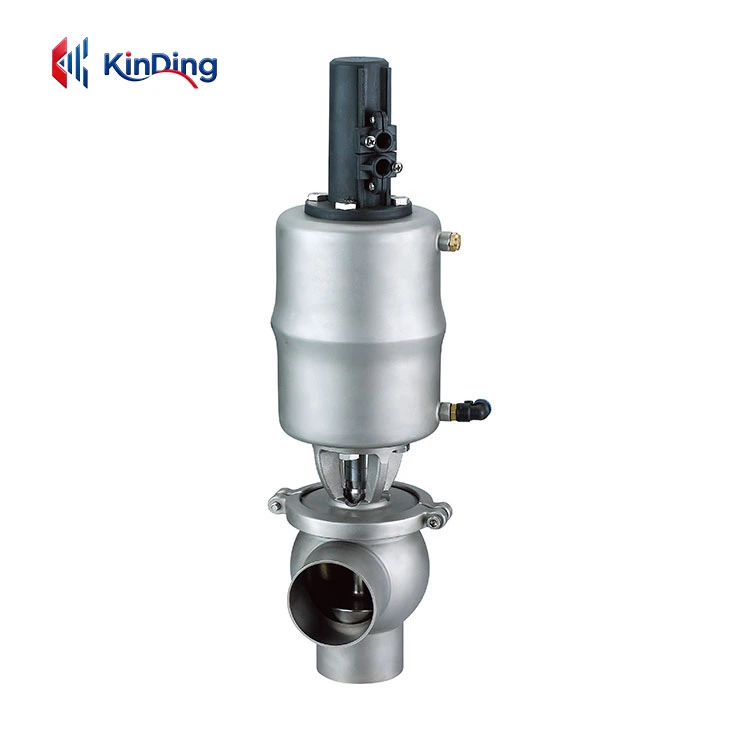
Sanitary Diversion Valve
In the food, dairy, beverage, biopharmaceutical and fine chemical industries, the purity of fluid pipelines and the accuracy of flow direction control directly determine the quality of the final products. Wenzhou Kinding Sanitary Diversion Valve, with its outstanding process standards, zero-hole design for fluid flow, and stable automated control performance, has become the preferred choice for many high-end customers worldwide. If you are looking for a Sanitary Diversion Valve that can ensure absolute safety of the medium and improve production line efficiency, then Kinding will be your most reliable partner.
Read MoreSend Inquiry
Buy industrial Sanitary Valve from Kinding, a professional China manufacturer. Customized stainless steel tanks with high performance and quality guaranteed. Get a quotation and price list today.