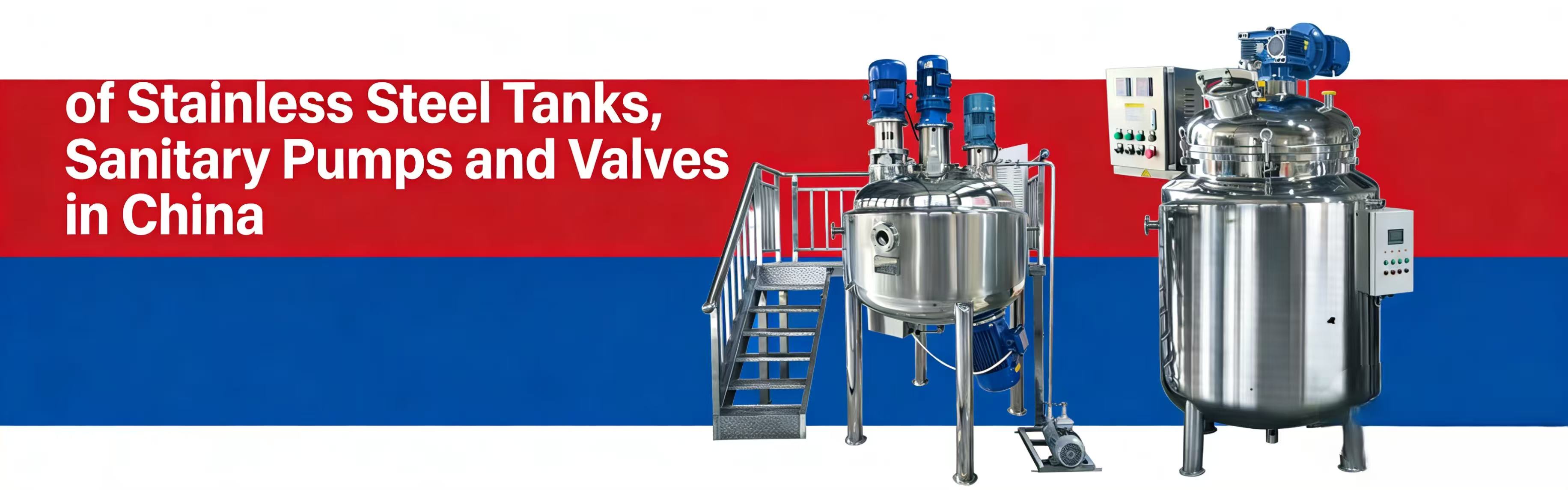
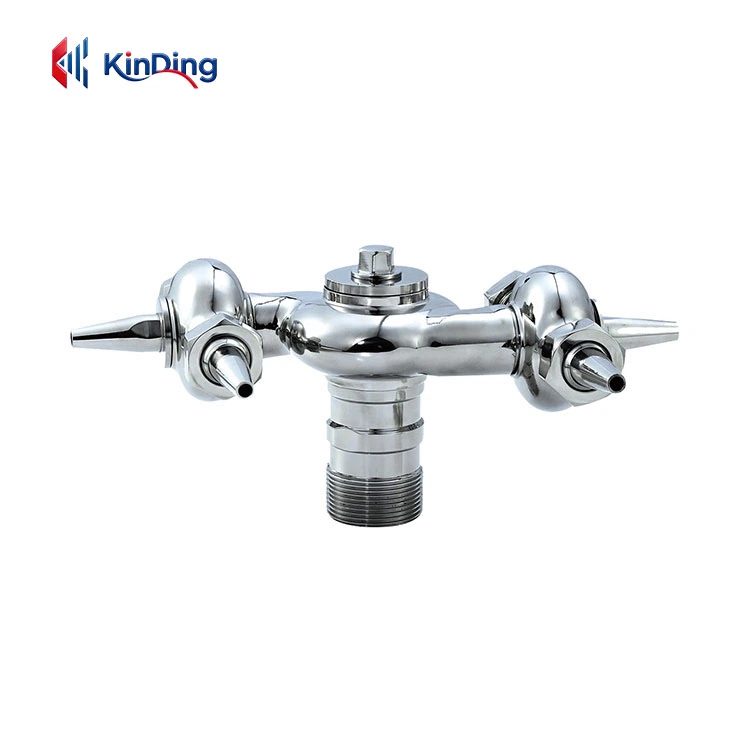
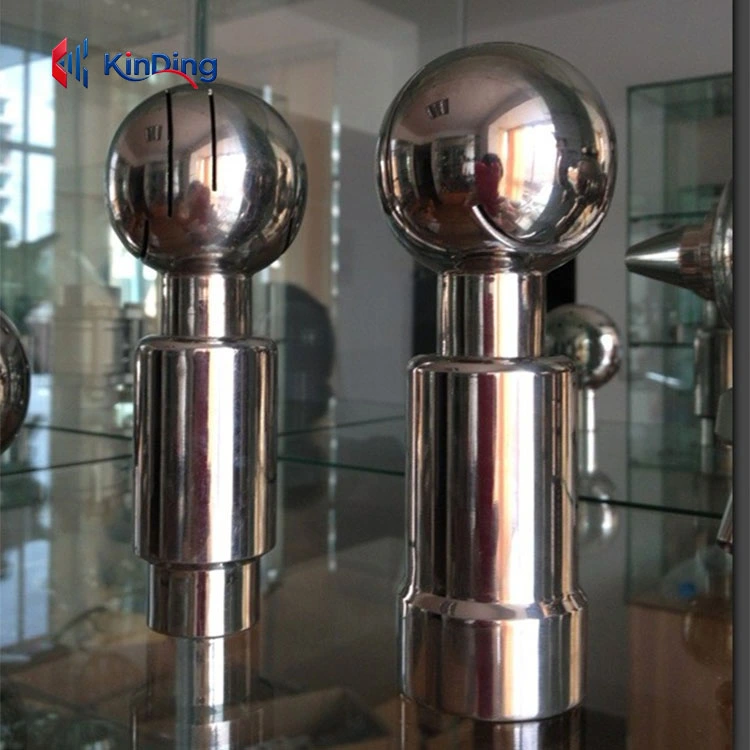
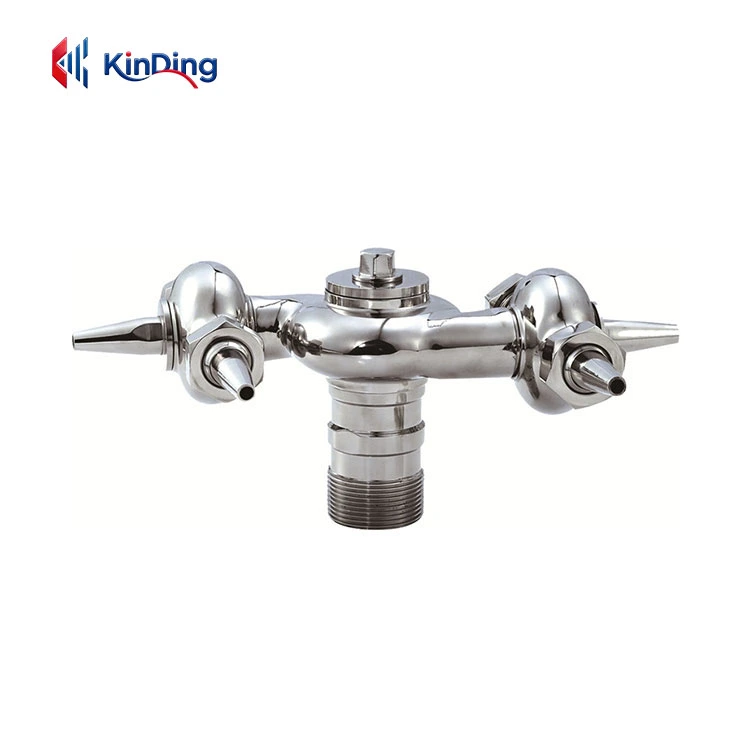
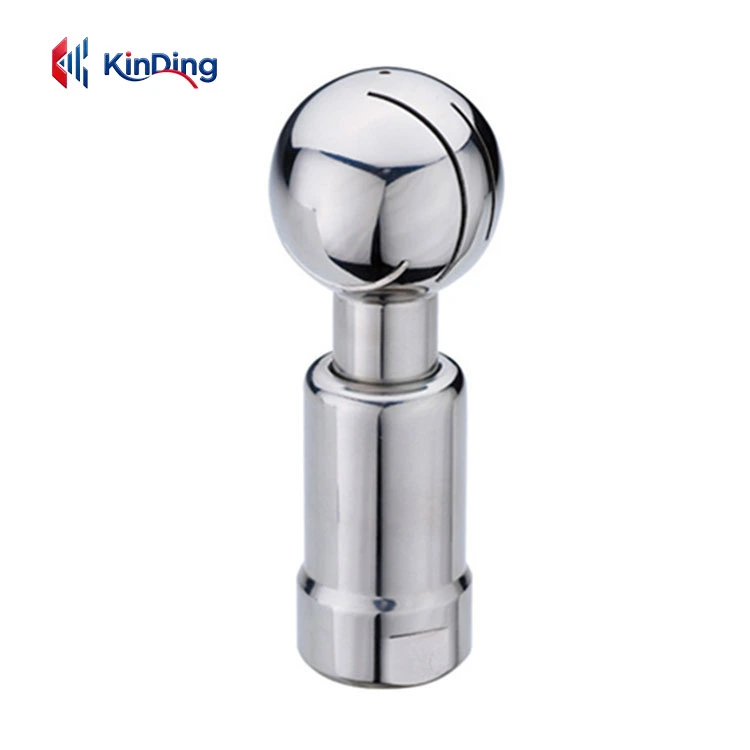
Sanitary Spray Ball
In the food, dairy, beverage, biopharmaceutical and fine chemical industries, whether it is storage tanks, fermentation tanks, mixing tanks, or reaction vessels, as well as transportation tank trucks, their internal surfaces must be thoroughly cleaned after each use to eliminate residues, microorganisms and the risk of cross-contamination. Wenzhou Kinding Machinery Co., Ltd. has developed the "hygienic cleaning balls", which strictly follow the 3A hygiene standards and GMP regulations, providing one-stop services from tank design to cleaning solutions for global customers.
Send Inquiry
Product Description
What is a Sanitary Spray Ball?
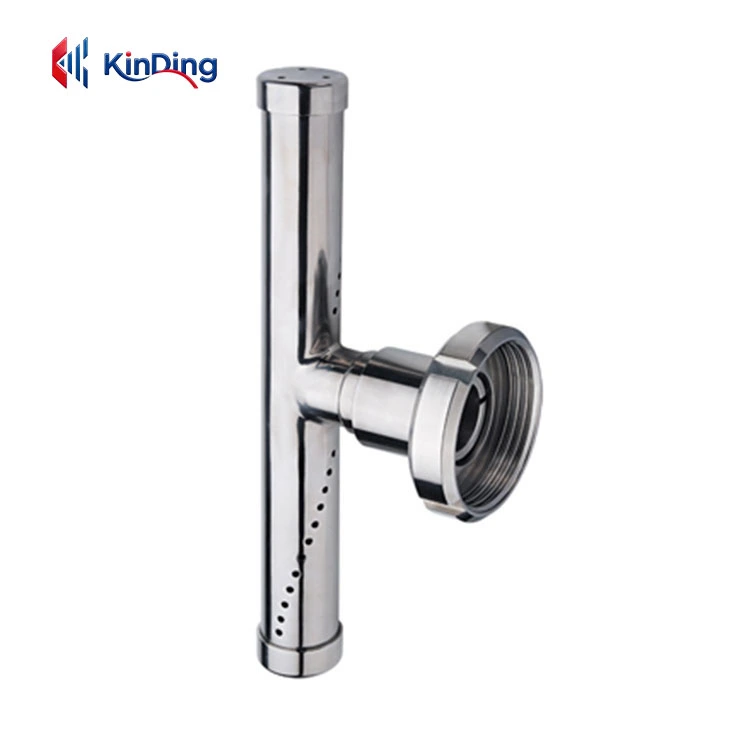
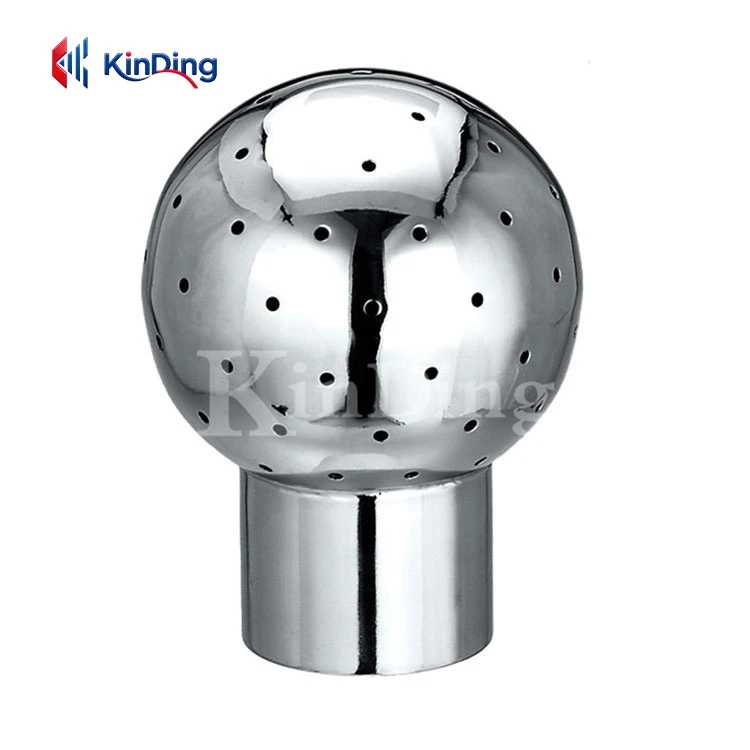
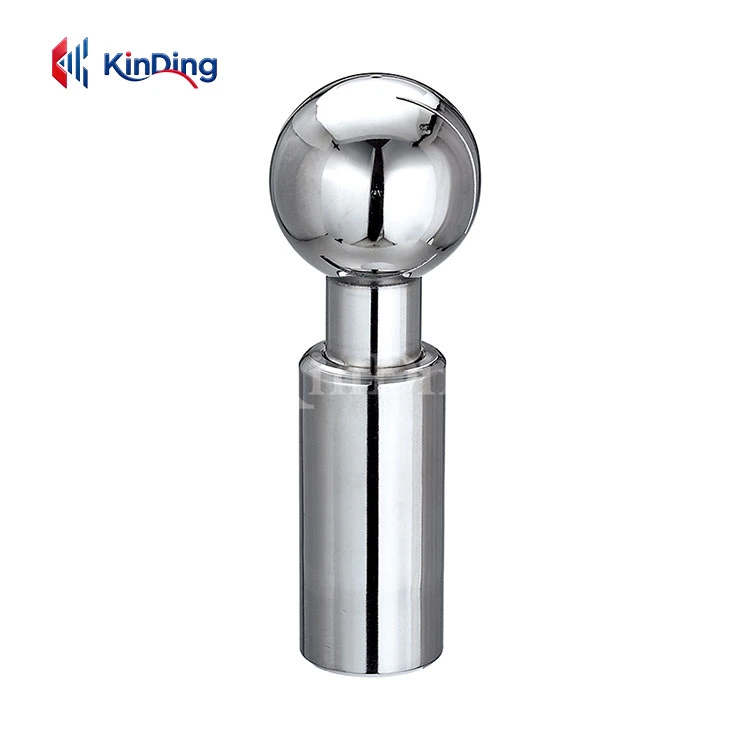
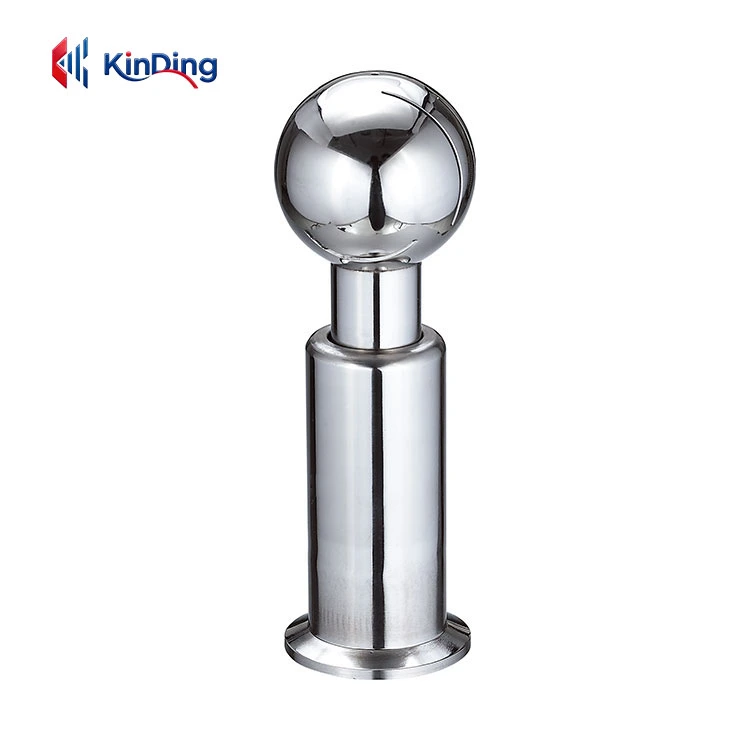
The Sanitary Spray Ball, also known as a cleaning spray ball or CIP cleaning ball, is a device fixed inside containers such as tanks and reactors. It uses the jet force of the cleaning liquid to automatically clean the inner walls of the container in all directions.
When the cleaning liquid (such as water, acid, alkali, disinfectant, etc.) is driven by a pump and enters the cleaning ball, through the carefully designed nozzles or rotating mechanism on the ball, the liquid is sprayed at a certain angle and pressure onto the inner wall of the container, forming a fan-shaped or column-shaped water curtain. The mechanical impact force and chemical action are used to remove and wash away the residues. Compared with traditional manual cleaning or fixed spray pipes, the Sanitary Spray Ball can achieve 360°coverage without any blind spots, with high cleaning efficiency, low water consumption, good repeatability, and are fully compatible with CIP (in-situ cleaning) and SIP (in-situ sterilization) systems. They do not require manual entry into the tank, significantly enhancing the safety and consistency of the cleaning process.
The significance of this process lies in: a smooth surface is less likely to accumulate dirt, leaves no residue after cleaning, and is convenient for its own CIP cleaning. At the same time, all welding areas are welded using argon arc welding and inspected by an endoscope to ensure there are no welding slag, no cracks, and no any tiny defects that may harbor dirt and contaminants.
Kinding is well aware that containers of different shapes and volumes have different requirements for cleaning methods. Therefore, we offer various types of Sanitary Spray Ball to meet various application scenarios: At the same time, Kinding's sanitary cleaning balls fully meet the design requirements of CIP/SIP systems.
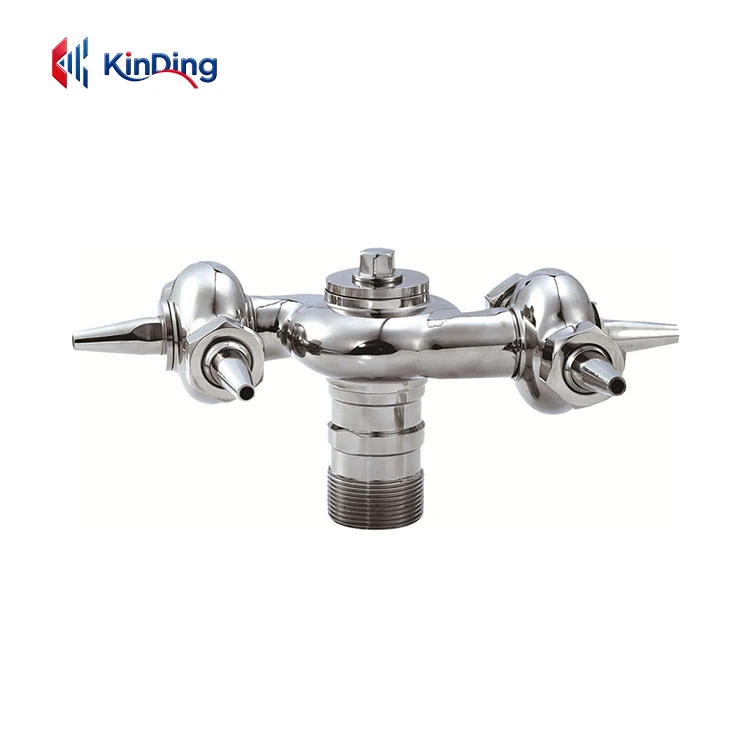
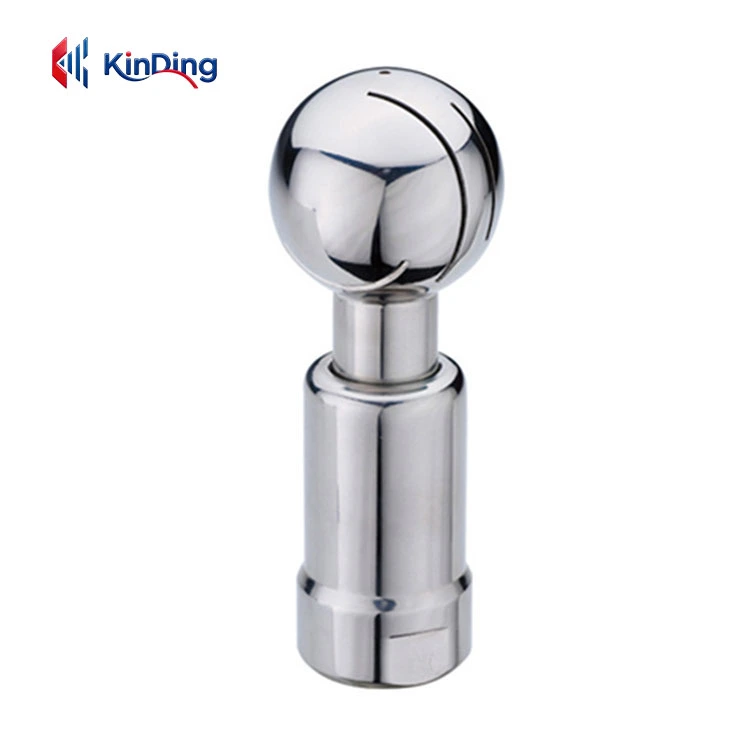
What are the application scenarios of Kinding Sanitary Spray Ball?
1. Kinding Sanitary Spray Ball have been widely used in the following fields and have been recognized by many well-known enterprises:
2. Dairy and beverage industry: CIP cleaning of milk storage tanks, fermentation tanks, and blending tanks to ensure no cross-contamination between batches.
3. Biopharmaceutical industry: Sterile cleaning of fermentation tanks and blending tanks.
4. Chemical and cosmetic industry: Automatic cleaning of reaction vessels, emulsification tanks, and storage tanks to enhance production efficiency and product consistency.
5. Food processing industry: Regular cleaning of storage tanks for soy sauce, vinegar, edible oil, etc., to ensure food safety.
Hot Tags: China Sanitary Spray Ball Manufacturer , Supplier
Related Category
Stainless Steel Tank
Sanitary Pump
Mixing and Emulsification
Colloid Mill
Fruit and Vegetable Machine
Sanitary Manhole
Sanitary Valve
Sanitary Pipe Fittings
Send Inquiry
Please Feel free to give your inquiry in the form below. We will reply you in 24 hours.